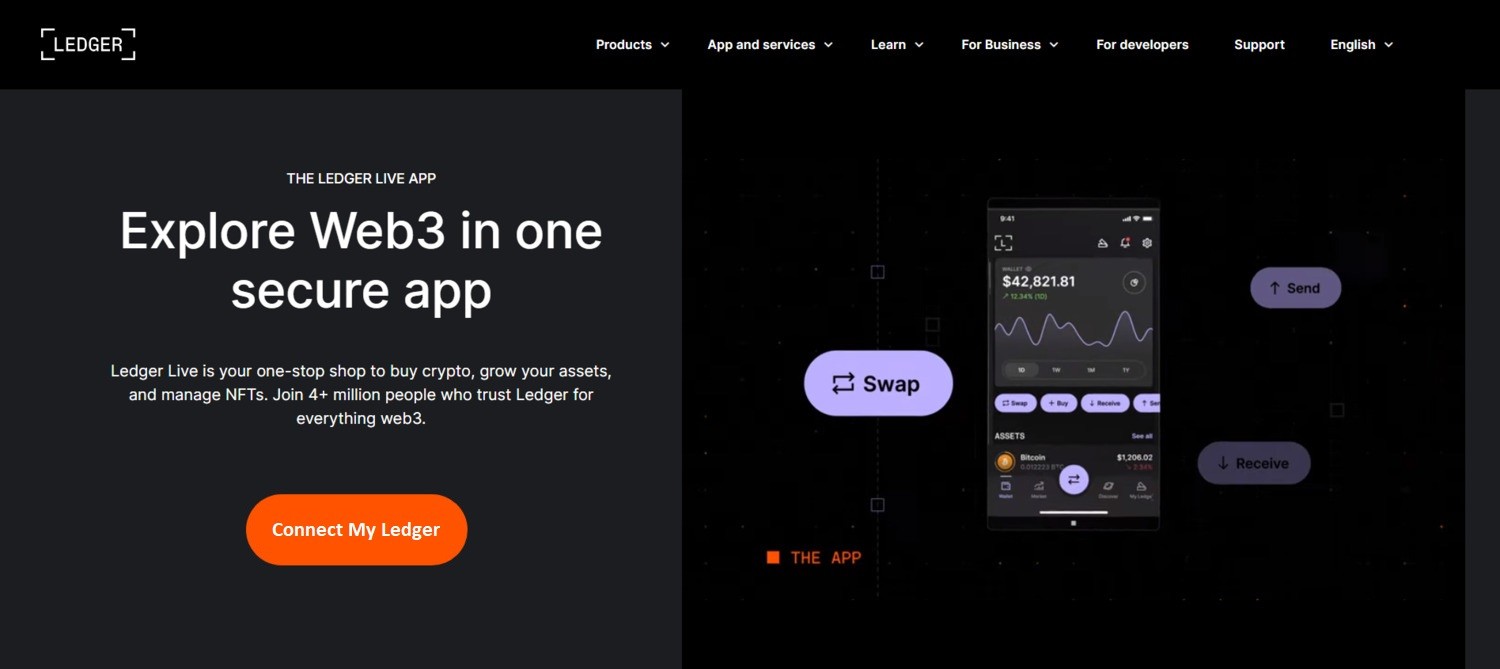
Live Ledger: Transforming Financial Management in Real-Time
In the rapidly evolving business environment, financial management plays a pivotal role in determining organizational success. Traditional accounting systems often rely on batch processing, delayed updates, and periodic reconciliations, which can hinder timely decision-making. Live Ledger systems have emerged as a revolutionary solution, offering real-time financial tracking, transparency, and efficiency. In this article, we explore the concept, benefits, features, and applications of live ledgers in modern business operations.
What is a Live Ledger?
A live ledger is an advanced financial system that records transactions in real-time. Unlike conventional ledgers that update at the end of a day, week, or month, live ledgers continuously capture every transaction as it occurs. This ensures that businesses, accountants, and stakeholders always have access to the most current financial data.
The concept of a live ledger is rooted in digital accounting and blockchain technologies, though it is not restricted to blockchain implementations. The main aim is to enhance transparency, accuracy, and efficiency in financial management.
Key Features of a Live Ledger
To understand why live ledgers are transforming financial operations, it is essential to look at their core features:
1. Real-Time Updates
Live ledgers instantly record financial transactions. Whenever a payment is made, a sale is recorded, or an invoice is issued, the ledger reflects the changes immediately. This real-time visibility allows businesses to monitor cash flow, revenues, and expenses accurately.
2. Automation
Most live ledger systems integrate automation to reduce manual entry errors. Repetitive tasks like bank reconciliation, invoice generation, and expense categorization are automated, saving time and enhancing accuracy.
3. Cloud-Based Accessibility
Modern live ledgers are often cloud-based, enabling users to access financial data from anywhere, at any time, using secure login credentials. This eliminates dependency on local servers and ensures continuous access for remote teams.
4. Audit Trail
Every transaction recorded in a live ledger is traceable, creating a comprehensive audit trail. This is especially useful for regulatory compliance, tax filing, and internal audits, ensuring that all financial activities can be verified.
5. Integration with Other Systems
Live ledgers can integrate seamlessly with enterprise resource planning (ERP) systems, payment gateways, point-of-sale systems, and banking platforms. This ensures that all financial transactions across various platforms are synchronized.
Benefits of Implementing a Live Ledger
Transitioning to a live ledger system offers numerous advantages for businesses of all sizes.
1. Enhanced Accuracy
Real-time data entry reduces human errors associated with manual bookkeeping. Since transactions are instantly recorded, the risk of missing or duplicated entries is minimized.
2. Improved Decision-Making
With access to up-to-date financial information, business leaders can make informed decisions quickly. Real-time insights into cash flow, inventory, and sales performance enable strategic planning and operational efficiency.
3. Time and Cost Savings
Automation reduces the time spent on manual reconciliation, data entry, and reporting. Businesses can allocate resources more efficiently, which ultimately reduces operational costs.
4. Transparency and Accountability
Live ledgers create an immutable record of all financial transactions. Stakeholders, investors, and auditors can review accurate records anytime, promoting transparency and accountability.
5. Compliance and Security
Advanced live ledger systems often include built-in compliance features for local and international accounting standards. Additionally, encryption and secure access control ensure the safety of sensitive financial data.
Applications of Live Ledgers
Live ledgers are versatile and can be applied across various industries and business processes.
1. Corporate Accounting
Large enterprises benefit from live ledgers by consolidating financial data from multiple departments in real-time. This provides a comprehensive view of organizational finances, facilitating better budget planning and reporting.
2. Banking and Financial Services
Banks and financial institutions use live ledgers for instant transaction verification, fraud detection, and cross-border payments. Real-time ledgers enhance customer trust and operational efficiency.
3. Retail and E-Commerce
For retail businesses, live ledgers help track sales, inventory, and supplier payments instantly. Integration with point-of-sale systems ensures accurate financial reporting and prevents stock discrepancies.
4. Startups and SMEs
Small and medium enterprises (SMEs) can leverage live ledgers to manage cash flow effectively, streamline invoicing, and maintain accurate records without extensive accounting teams.
5. Blockchain and Cryptocurrencies
Live ledgers are a cornerstone of blockchain technology. They provide a decentralized, tamper-proof system for recording cryptocurrency transactions, smart contracts, and digital asset management.
Challenges in Implementing a Live Ledger
Despite the numerous benefits, implementing a live ledger comes with certain challenges.
1. High Initial Investment
Advanced live ledger systems, especially those with blockchain integration, can be expensive to implement. Small businesses may find the initial cost prohibitive.
2. Technical Expertise
Implementing and maintaining a live ledger requires technical expertise in cloud computing, cybersecurity, and digital accounting software. Organizations may need to invest in training or hire specialized personnel.
3. Data Privacy Concerns
Since live ledgers often store sensitive financial information on cloud platforms, robust security measures are essential to prevent data breaches and unauthorized access.
4. Integration Complexities
Integrating a live ledger with existing ERP systems, banks, and other software can be complex and time-consuming. Compatibility issues may arise, requiring customized solutions.
Future of Live Ledger Technology
The future of live ledger technology is promising, driven by the increasing demand for digital transformation in finance. Key trends include:
Artificial Intelligence (AI) Integration: AI-powered analytics can provide predictive insights, detect anomalies, and automate decision-making based on live ledger data.
Blockchain Adoption: More businesses are exploring blockchain-based ledgers for tamper-proof, decentralized record-keeping.
Regulatory Innovations: Governments and financial regulators are developing frameworks to standardize live ledger usage, ensuring security and compliance.
Mobile and IoT Integration: Live ledger systems will increasingly integrate with mobile devices and IoT-enabled devices for real-time tracking of payments, inventory, and assets.
Conclusion
Live ledgers are reshaping the way organizations manage finances. By providing real-time updates, automation, transparency, and seamless integration, live ledgers empower businesses to operate more efficiently and make informed decisions. While implementation may pose challenges, the long-term benefits—including enhanced accuracy, cost savings, and improved compliance—make it a worthwhile investment for modern businesses.
As technology continues to evolve, live ledgers will become a fundamental tool for businesses of all sizes, bridging the gap between financial management and strategic decision-making. Adopting a live ledger today is not just a step toward better accounting—it’s a strategic move toward a more agile, transparent, and data-driven future.